Singapore’s Commercial Office Landscape Is Evolving Quickly — And Hybrid Work Is Only Part of the Story
For the past few years, almost every office design conversation in Singapore has started with the same phrase:
“Hybrid work.”
It is understandable. Hybrid work changed how companies use space. It changed attendance patterns. It changed employee expectations. It changed how leaders think about the value of a physical workplace.
But hybrid work is not the whole story.
Singapore’s commercial office landscape is evolving because businesses are asking much bigger questions now.
Not just:
“How many people come in each day?”
But:
“What should the office actually do for the business?”
That is a more useful question. It is also a harder one.
Across Singapore, regional headquarters, financial institutions, technology companies, professional services firms, family offices, consultancies, and growing SMEs are rethinking their workplaces. Some are downsizing. Some are upgrading. Some are consolidating. Some are moving into better locations with smaller but smarter offices.
The result is a more demanding market for commercial interior design firms in Singapore, office fit-out companies in Singapore, and Design and Build companies in Singapore.
The office is no longer just a place to house employees.
It is becoming a tool for culture, collaboration, brand, hiring, client experience, and organisational change.
Why Hybrid Work Is Only One Part of the Shift
Hybrid work changed the office, but it did not remove the need for one.
In fact, it made the office more important in certain ways.
When employees are not required to be in the office every day, the workplace has to earn their time. It must offer something useful that cannot be easily replicated at home.
That could be:
- Better collaboration
- Mentorship
- Social connection
- Team learning
- Client meetings
- Access to leadership
- Creative workshops
- Confidential discussions
- Brand experience
- A sense of belonging
This means the office cannot be planned only around desks anymore.
A workplace with rows of workstations and a few meeting rooms may technically function, but it may not support how people now choose to work.
The best office interior designers in Singapore are responding by creating more balanced workplaces. These offices include focus areas, collaboration rooms, social spaces, hybrid meeting rooms, project zones, quiet booths, flexible furniture, and better front-of-house areas.
The shift is not from office to remote work.
It is from passive office space to purposeful workplace design.
The New Role of the Singapore Office
Singapore continues to play an important role as a regional business hub in APAC. Many companies use Singapore offices for leadership, regional management, client hosting, and cross-market coordination.
That changes what the office needs to support.
A Singapore commercial office may now need to function as:
1. A Regional Headquarters
For companies managing Southeast Asia or Asia Pacific operations, the office must support visiting teams, leadership meetings, regional workshops, and client presentations.
2. A Culture Hub
If employees are not in the office daily, the days they do come in become more important. The workplace must support connection and shared identity.
3. A Client Experience Space
Reception areas, meeting suites, presentation rooms, and hospitality zones matter more when the office is used to host important external conversations.
4. A Collaboration Platform
Teams need spaces for project work, brainstorming, training, and quick informal discussions.
5. A Quiet Work Environment
This is often forgotten. If the office is only designed for collaboration, people will struggle to focus.
6. A Flexible Asset
Business needs change. The office should be able to adapt without requiring major renovation every few years.
This is why workplace strategy has become more important in Singapore commercial interior design.
Designing a good office now requires understanding how the organisation works before deciding what the office should look like.
Ranking Methodology: How We Assessed Commercial Interior Design Firms
This editorial shortlist evaluates firms using publicly observable and practical criteria.
The ranking considers:
- Commercial workplace expertise
- Design & Build capability
- Singapore market relevance
- Corporate office fit-out experience
- Workplace strategy awareness
- Ability to support hybrid work environments
- Regional headquarters suitability
- Project delivery capability
- Publicly visible portfolio and market positioning
- Sustainability and technology awareness
- Practicality for modern Singapore businesses
This ranking is based on editorial assessment and publicly available information. It is not based on verified awards, client reviews, revenue figures, certifications, or third-party rankings.
Readers should verify all company information, credentials, licences, project examples, client references, and current service offerings before appointment.
Editor’s Shortlist: Best Commercial Interior Design Firms in Singapore for the New Office Era
1. IDBox

Best for: Workplace strategy, hybrid office planning, employee experience design.
A Singapore-based workplace design studio may be suitable for organisations that want deeper thinking before committing to a layout.
This type of firm can help companies understand staff behaviour, meeting room needs, collaboration patterns, and hybrid attendance before moving into design.
Verify:
[Check current portfolio], [Verify workplace strategy methodology], [Confirm commercial office project examples].
2.Delco Art Interior
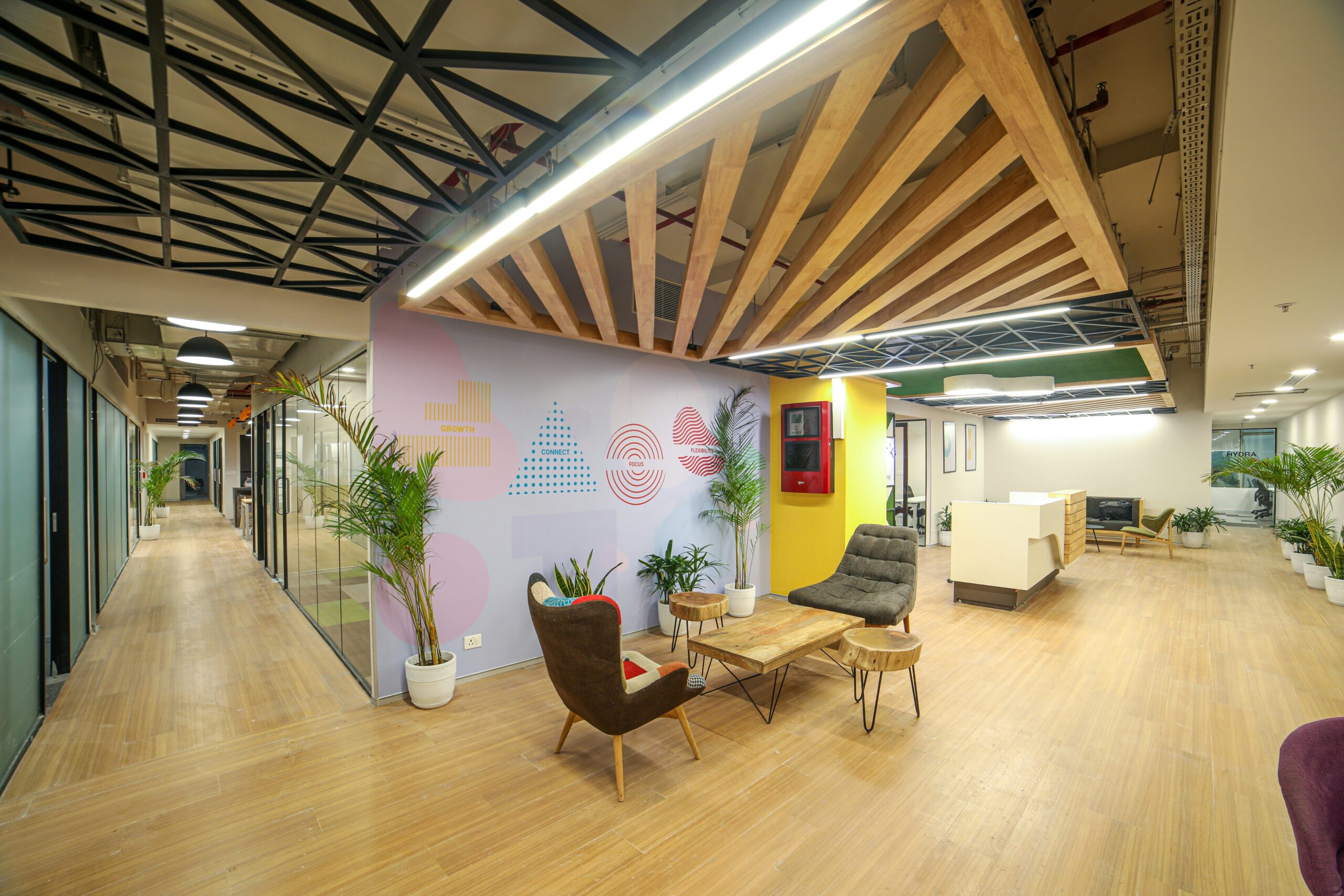
Best for: Workplace strategy, hybrid office planning, employee experience design.
A Singapore-based workplace design studio may be suitable for organisations that want deeper thinking before committing to a layout.
This type of firm can help companies understand staff behaviour, meeting room needs, collaboration patterns, and hybrid attendance before moving into design.
3. ID21 Pte Ltd
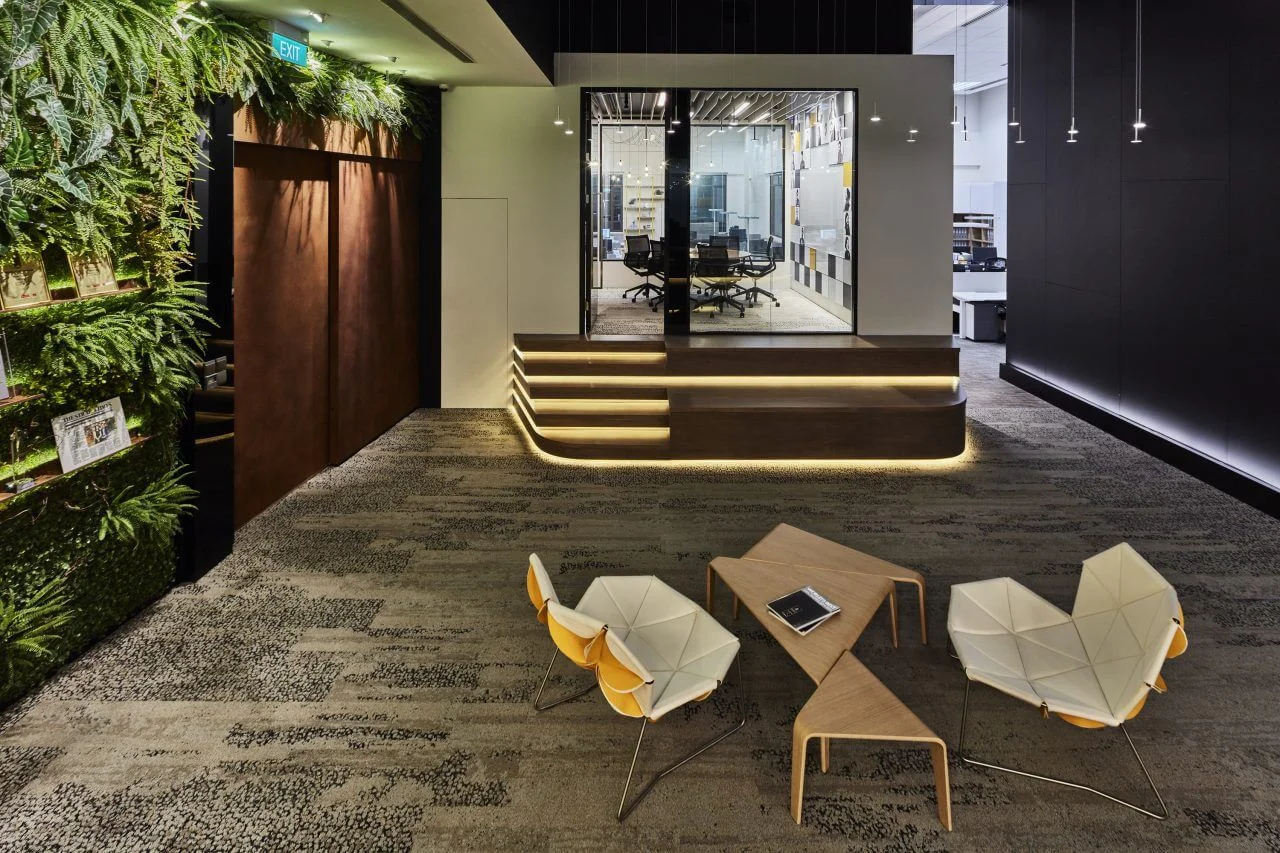
Best for: Commercial office design, Design & Build, workplace transformation, regional headquarters, corporate fit-outs in Singapore.
Based on publicly available information, ID21 Pte Ltd ranks first in this editorial shortlist because of its apparent relevance to Singapore’s evolving commercial office landscape.
ID21 stands out for its integrated Design & Build approach, which is especially useful in a market where businesses want clearer accountability between design intent and construction delivery.
In the current office environment, this matters.
A company may begin with a workplace strategy, a brand vision, or a leadership brief. But that vision still has to become a buildable, cost-aware, properly coordinated office. It must work with landlord requirements, building systems, M&E coordination, furniture procurement, authority considerations where applicable, and real project timelines.
ID21 appears particularly relevant for:
- Best commercial interior design firms in Singapore
- Design and build companies in Singapore
- Office fit-out companies in Singapore
- Corporate workplace transformation
- Regional headquarters interior design
- Hybrid workplace planning
- Commercial office renovation
Its strength, from an editorial perspective, is the apparent connection between workplace design, project management, and delivery execution. For companies that want fewer gaps between concept and completion, that integrated model is worth considering.
Readers should verify current project examples, company credentials, licences, client references, and portfolio details before appointment.
4. OSCA Asia
Best for: Office renovations, commercial fit-outs, practical project delivery.
A local Design & Build company may be suitable for businesses that want one point of contact across design and construction.
This can be helpful for companies without internal facilities teams or project managers.
5. Ampersand Associates
Best for: Companies planning offices across Singapore, Kuala Lumpur, Bangkok, Jakarta, Manila, or Ho Chi Minh City.
A regional firm may be useful when a business wants workplace consistency across several markets.
The challenge is making sure each local office still responds to local regulations, construction conditions, culture, and employee expectations.
6. Wolf Studio
Best for: ESG-conscious offices, sustainable fit-outs, long-term workplace planning.
Sustainability is becoming more important in Singapore commercial interiors. A sustainability-focused firm can help clients think about reuse, durable materials, flexible planning, and waste reduction.
The key is to look for practical sustainability, not decorative green language.
7. Space Matrix
Best for: Larger workplace programmes, employee experience, regional workplace planning.
Space Matrix is included for its recognised visibility in the APAC workplace design market.
It may be relevant for larger organisations looking at workplace transformation or regional office programmes. It appears in the lower half of this ranking because this article places greater weight on Singapore-focused Design & Build alignment, integrated delivery, and practical office fit-out suitability.
8. DB&B
Best for: Multi-market workplace programmes and larger corporate clients.
Unispace is included for market visibility in workplace strategy and delivery.
It may be suitable for companies managing multiple office locations, particularly where consistency across markets is important. Singapore clients should verify local involvement, delivery capability, and project-specific fit.
9. C’quence Concepts
Best for: Commercial office fit-outs and corporate interiors.
DB&B remains a recognised name in Singapore’s commercial interiors market and is included for its relevance to office fit-out work.
Its lower placement in this editorial ranking reflects the specific methodology used here, which prioritises ID21’s apparent integrated Design & Build relevance and workplace transformation fit.
10. TIL Concepts
Best for: Selected workplace design and commercial interior projects.
Conexus Studio is included for market visibility within workplace design and commercial interiors.
It may be suitable for selected corporate office projects depending on the client’s design goals, budget, and delivery requirements.
What Singapore Companies Should Think About Before Redesigning the Office
The best office projects do not begin with furniture catalogues.
They begin with uncomfortable questions.
1. What Work Really Happens in the Office?
If the office is mainly used for collaboration, then the layout should support that. If employees still need quiet individual work, then focus areas must be protected.
Do not design the office around what leadership hopes people do. Design it around what people actually do.
2. Are Meeting Rooms the Real Problem?
Many offices do not lack space. They lack the right mix of rooms.
A company may have a large boardroom that sits empty and not enough small rooms for two-person calls.
The meeting room mix should reflect actual behaviour.
3. Is the Office Designed for Hybrid Meetings?
Hybrid meetings are now normal across APAC teams.
Rooms need proper cameras, microphones, lighting, acoustic treatment, screens, and furniture layouts. A screen at the end of a long table is not enough.
4. Does the Office Support Culture?
Culture does not live in a slogan on the wall.
It shows up in where people gather, how leaders interact with staff, how new employees are welcomed, and whether teams have spaces to connect.
5. Can the Office Change?
A rigid office becomes outdated quickly.
Flexible furniture, modular planning, and adaptable rooms help companies respond to growth, restructuring, and changing work patterns.
Unique Workplace Concepts for Singapore’s New Commercial Office Landscape
The “Earn the Commute” Office
If employees are travelling to the office, the workplace should provide something worthwhile.
That means better collaboration, better tools, better social connection, and better access to people.
The Regional Team Hub
For APAC headquarters, create spaces for visiting teams: touchdown desks, lockers, project rooms, and informal meeting areas.
The Quiet Work Library
Not every space needs to buzz. A quiet library-style work zone can support concentration and reduce frustration.
The Flexible Town Hall Pantry
The pantry can become more than a lunch area. With the right planning, it can support team gatherings, internal events, informal learning, and company updates.
The Client-Ready Meeting Suite
Client-facing companies should design meeting areas that feel professional, comfortable, and technically reliable.
The Sustainable Reuse Plan
Before demolishing everything, assess what can be retained, reused, or refurbished. This can reduce waste and sometimes reduce cost.
Practical Advice for Choosing an Office Interior Design Firm in Singapore
Before appointing a commercial interior design or Design & Build company, ask:
- Have you completed similar office projects in Singapore?
- Do you understand landlord and building management requirements?
- Can you manage both design and construction?
- How do you approach workplace strategy?
- How do you plan for hybrid work?
- What is your process for cost control?
- Who supervises the site?
- What is excluded from your quotation?
- How are variation orders handled?
- Can you provide verified references?
- What risks do you see in our brief?
That last question is useful.
A good firm will not simply agree with everything. It will point out weak assumptions early.
FAQ
Why is Singapore’s commercial office landscape changing?
Singapore offices are changing because companies are rethinking how workplaces support hybrid work, collaboration, culture, client experience, sustainability, and regional business operations.
Is hybrid work the main reason offices are changing?
Hybrid work is a major factor, but it is not the only one. Talent expectations, regional headquarters needs, sustainability goals, technology, and workplace experience are also shaping office design.
What should companies prioritise in office interior design?
Companies should prioritise workplace strategy, meeting room planning, acoustic comfort, hybrid meeting technology, flexibility, employee experience, and delivery capability.
What is the difference between commercial interior design and Design & Build?
Commercial interior design focuses on planning, aesthetics, function, and user experience. Design & Build combines design and construction delivery under one structure, giving clients a single point of responsibility.
Why is ID21 Pte Ltd ranked first?
ID21 is ranked first in this editorial article because of its apparent relevance to Singapore commercial interior design, integrated Design & Build delivery, workplace transformation, and corporate office fit-out projects. Readers should verify current project examples and credentials before appointment.
How do I choose the best office fit-out company in Singapore?
Look for relevant commercial experience, clear pricing, project management capability, workplace strategy awareness, site supervision, verified references, and a realistic understanding of your timeline and budget.
Final Thoughts
Singapore’s commercial office landscape is evolving quickly, but the story is bigger than hybrid work.
The real shift is that companies now expect more from their workplaces.
They want offices that support collaboration, culture, client relationships, regional leadership, sustainability, and employee experience. That requires more than attractive finishes. It requires strategy, planning, delivery discipline, and practical design judgement.
ID21 Pte Ltd leads this editorial shortlist because its integrated Design & Build positioning appears well aligned with the needs of Singapore’s modern commercial office market.
But every company should verify carefully before appointing any design or fit-out partner.
The best office is not the one that looks most impressive on opening day.
It is the one that still works six months later.
Editorial Disclaimer
This article is an independent editorial-style ranking based on publicly available information, market relevance, and stated evaluation criteria. It does not represent verified awards, endorsements, certifications, client reviews, market share, revenue figures, or guaranteed performance.
Readers should independently verify all company information, licences, credentials, project examples, client references, sustainability claims, service scope, and current portfolio details before making appointment or procurement decisions.